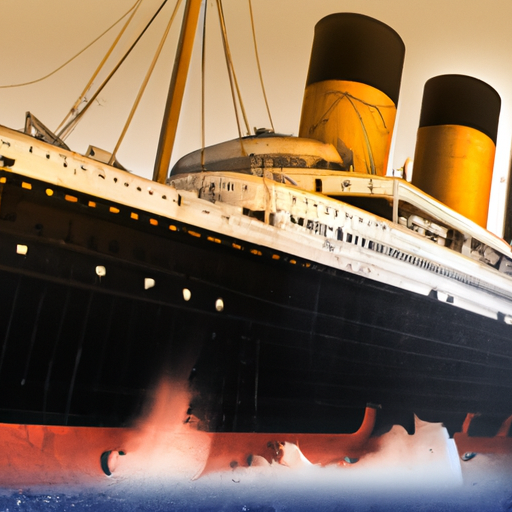
Titan submersible vehicle found in pieces after catastrophic implosion
On June 22, the world was shocked to learn that the Titan submersible vehicle, which was attempting to take tourists to view the wreckage of the Titanic in the North Atlantic, had disappeared and was found in pieces from a catastrophic implosion that killed everyone aboard. This incident raises questions about why people engage in risky tourism activities in remote locations and whether there should be more restrictions on what adrenaline-seeking tourists can do.
What is frontier tourism?
Frontier tourism, also known as “extreme adventure travel,” is becoming big business. The wider adventure tourism industry is already worth billions of dollars and is growing quickly. These trips are very expensive, aim to overstimulate the senses, and go to the outer limits of our planet, including the deep oceans, high mountains, polar areas, and even space. While frontier tourism is not new, it has attracted widespread attention in recent years due to the rise of travel content sharing on social media and revenge travel following COVID-19.
Why are we so obsessed with extreme forms of tourism?
Engaging in risky tourism activities releases chemicals in the brain that can be addictive. Research suggests that scaling a high mountain or participating in other risky activities can bring about feelings of accomplishment and euphoria. Travellers report feeling alive and experiencing a sense of transformation. Some are also attracted to the pristine, untouched, and remote aspects of the locations they visit. Additionally, the element of fantasy associated with imagining certain places or stories, like the movie Titanic, can be alluring. Extreme and risky activities not only make participants feel euphoric, but they also push them outside of their comfort zones and help them feel alive.
In conclusion, while frontier tourism can be exciting and transformative, it is important to consider the risks involved and whether there should be more restrictions on what adrenaline-seeking tourists can do. It is also important to understand why we are so obsessed with extreme forms of tourism and to recognize the addictive nature of risky activities. Ultimately, it is up to individuals to weigh the risks and benefits and make informed decisions about their travel choices.